Breeds11 July 2026
Cat Breeds: What Lists Can—and Can't—Tell You
Cat breeds offer useful background, but lists cannot choose for you. Learn how to read breed charts and match an individual cat to your home.
TextPetzette Editorial
Read3 Min
Evidence status
Source-backed editorial
- Evidence record
- 3 claim cards linked to 3 documented sources.
- Independent expert review
- Not commissioned. Petzette Editorial is responsible for the published wording.
- Source record checked
- 11 July 2026
- Scope
- General guidance. Individual animals and circumstances can differ.
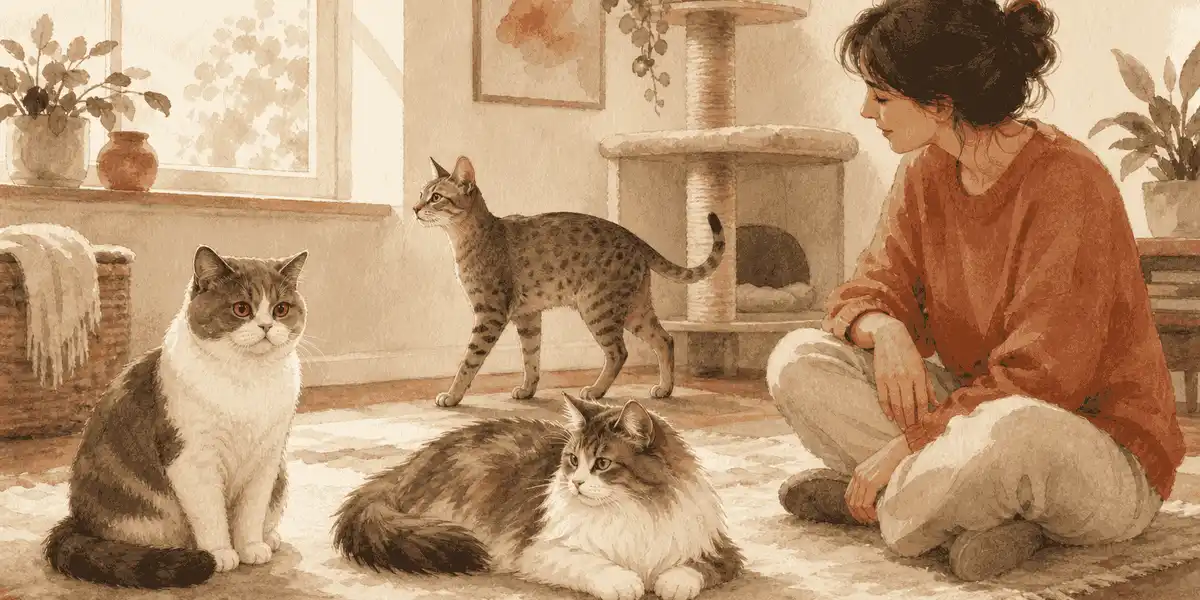
Cat breeds can be a useful starting point, but a breed list cannot introduce the cat who may share your home. A label can prompt smart questions about care and background. It cannot guarantee affection, confidence, child tolerance, or any other part of an individual personality.
That distinction makes breed charts more useful, not less. Read them for what they actually measure, then bring the focus back to the cat in front of you.
What a Cat Breeds Chart Actually Measures
Some cat breed lists are registry snapshots. In the Governing Council of the Cat Fancy’s 2025 UK registration table, British Shorthair ranked first, followed by Ragdoll and Maine Coon. That tells us which registered breeds led that particular table in that place and year.
It does not rank all cats living in UK homes. It also does not test which cat is calmest, most affectionate, or best for a family. Registration popularity describes what people registered, not how a specific cat will behave on your sofa.
So when a “most popular cat breeds” chart appears, check its fine print:
- Who collected the data?
- Does it count registrations, survey responses, or the whole pet-cat population?
- Which country and year does it cover?
- Is the writer turning popularity into a personality claim the data never measured?
The same caution applies to “best cat breeds” lists. A popular choice may be interesting, but popularity is not a household-fit test.
Breed Can Be Background, Not a Personality Script
A 2019 study in Scientific Reports used owner questionnaires to compare behavior traits among analyzed cat breed groups. The researchers found some average group differences, while cats within breed populations still varied substantially. The study offers population-level background, not a way to predict one cat from a name or photograph.
That is the useful middle ground. Breed does not have to be ignored, but it should not become destiny. Genetics, early socialization, individual experience, age, and current needs all belong in the conversation. Heritability in a population does not mean a trait is fixed in one animal.
This is familiar territory for anyone learning to read a cat’s purr in context. One signal—or one label—is not the whole story.
Build a Better Cat-Choice Checklist
Instead of asking a breed name to answer everything, use it to begin a more practical discussion. A shelter, rescue, foster caregiver, or responsible source may be able to help you explore:
- History: What is known about this cat’s previous home, handling, and socialization?
- Current behavior: How does the cat respond to unfamiliar people, routine changes, play, rest, and gentle interaction?
- Life stage: Does the time and supervision this cat needs fit the household’s daily rhythm?
- Care: What grooming, enrichment, space, and ongoing support will be required?
- Home fit: Are there children, other cats, frequent visitors, or long quiet periods to consider?
Observe without rushing. A single meeting is still only one moment, but it can reveal more about the individual than a flattering breed description can. Ask what the caregivers have seen across days and situations.
Family-Friendly Cat Breeds Are Not a Safety Guarantee
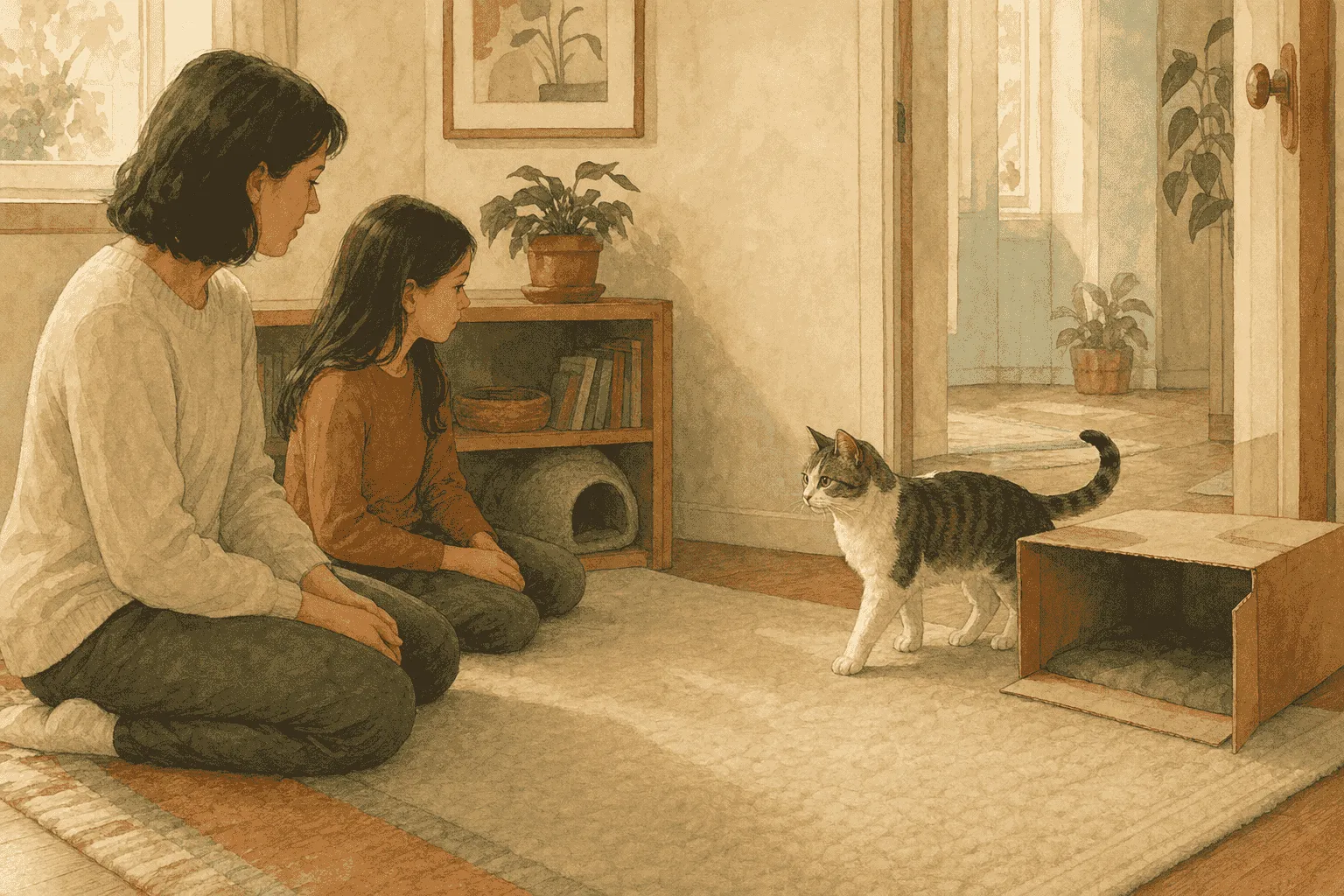
Searches for family-friendly or kid-friendly cat breeds often come from a sensible concern: people want a comfortable home for both child and cat. The safer question is not “Which breed likes children?” but “Which individual cat can relax with this household?”
Previous experience, age, personality, handling tolerance, child education, and adult supervision all matter. Let the cat move away, provide a quiet retreat, and teach children to notice when the cat wants space. No breed label makes supervision optional.
If another cat already lives at home, the match also needs a careful introduction. A staged cat-and-kitten introduction can make room for scent, distance, and gradual contact instead of forcing an instant friendship.
Sudden fear, aggression, hiding, or signs of illness need veterinary or other professional context rather than a breed-based explanation.
Meet the Cat, Not Just the Label
Cat breeds can suggest useful questions. Registry charts can document popularity, and research can describe patterns in groups. Neither can promise what one cat will feel comfortable doing in one home.
Keep the list, read the method, and notice the individual. The best match is built from honest information, realistic care commitments, patient observation, and a home that can respect the cat’s choices.
Sources
Petzette's claim cards for this article point to the following scientific, veterinary, or animal-welfare sources.
- Cat Breed Behaviour Scientific Reports 2019: Peer-reviewed feline behavior and quantitative-genetics study
Salonen M, Vapalahti K, Tiira K, Maki-Tanila A, Lohi H. Breed differences of heritable behaviour traits in cats. Scientific Reports. 2019;9:7949.
- Cats Protection Choosing A Cat: Animal welfare charity guidance / cat-selection advice
- GCCF Registered Cat Breeds 2025: Registry / UK cat breed registration statistics