Health Signals05 October 2026
Why Do Dogs Roll in Dead Animals? Separate the Roll From the Exposure
Why do dogs roll in dead animals? Separate the behavior from possible licking or eating, then decide when a veterinarian should guide the next step.
TextPetzette Editorial
Read4 Min
Evidence status
Source-backed editorial
- Evidence record
- 2 claim cards linked to 2 documented sources.
- Independent expert review
- Not commissioned. Petzette Editorial is responsible for the published wording.
- Source record checked
- 05 October 2026
- Scope
- General information, not an individual diagnosis or treatment plan.
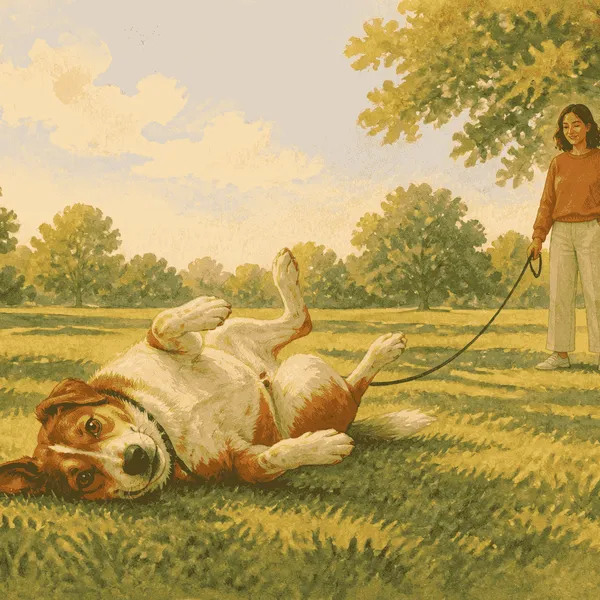
Why do dogs roll in dead animals? The safest answer is not one confident motive. A dog may be responding to an interesting outdoor odor, but the roll itself cannot tell you whether the dog licked, mouthed, or swallowed anything. The useful first-year decision is to separate the behavior from the exposure question, prevent another chance to eat, and know when a veterinarian should guide the next step.
A Dead-Animal Roll Does Not Translate Itself
VCA Animal Hospitals describes scent camouflage as a prevailing theory for rolling on something unpleasant outdoors, not a confirmed explanation for an individual dog. Its guidance also notes that a dog may be collecting information, marking a find, or simply responding to an odor. People cannot know the private motive from one roll.
That uncertainty is useful. It keeps you from turning an unpleasant walk into a personality story or deciding that the dog is sick because the behavior looked dramatic. It also keeps the health question in the right place: what was on the ground, what did the dog actually do, and what changed afterward?
The grass-roll guide covers the wider outdoor context. A dead animal adds a narrower safety check because eating tissue is a different event from rolling beside it.
Separate the Roll From the Exposure
Work through the event in lanes rather than treating every contact as the same:
- A roll was the only thing you saw. Create distance and prevent another approach. Note the place and the object without turning the carcass into a hands-on inspection. A roll is not proof that anything was swallowed.
- Licking or mouthing may have happened. Keep the dog away from the material, keep your hands away from the mouth, and record what you could actually see. If you can identify the animal or material safely from a distance, keep that detail for the veterinary conversation; “unknown” is a valid observation.
- Chewing, swallowing, or missing tissue is possible. Treat this as an exposure question, not a behavior puzzle. Contact your veterinarian or an appropriate animal poison-control service for individual guidance, and report the material, possible time, and uncertainty honestly.
Do not estimate a safe amount from the size of the carcass or from how normal the dog seems. The visible roll cannot answer the ingestion question, and a normal-looking dog does not turn an unknown exposure into a confirmed safe one.
Why Eating Changes the Professional Boundary
The veterinary sources behind this guide discuss ingestion and contaminated exposure routes, not a disease rate for dogs that merely roll on an animal. That distinction matters.
VCA’s botulism guidance identifies eating dead animals or contaminated raw meat as a prevention concern. Blue Cross explains that dogs can acquire some intestinal worms by eating infected animals and describes carcass-scavenging as a route for a serious tapeworm in some areas. An American Veterinary Medical Association handout also lists eating infected tissues or carcasses among possible leptospirosis routes.
Those details do not predict botulism, worms, leptospirosis, or any other illness in a particular dog. They do explain why possible eating deserves a professional question rather than a home calculation. The relevant context can include the animal or material, the location, the timing, what may be missing, the dog’s health, and any change afterward.
Interrupt Without Creating a Chase
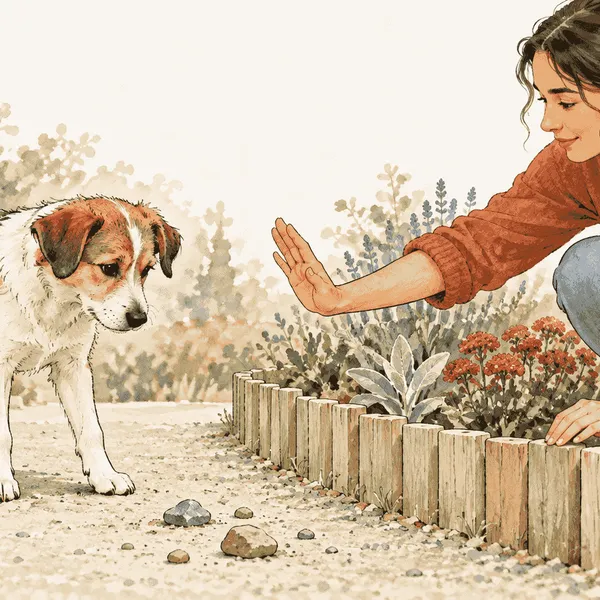
When the dog is still moving toward an unpleasant object, use the practiced leave it or come cue that already works at an easier distance. VCA presents these trained responses as lower-pressure ways to interrupt before contact. Make the route away from the carcass simple, and keep the response calm if the dog returns.
Avoid turning the moment into a physical contest. Keep the interruption focused on distance; it still does not tell you what the dog may already have swallowed. If your recall or leave-it cue is not reliable near outdoor distractions, add distance early and practice it in quieter places another day.
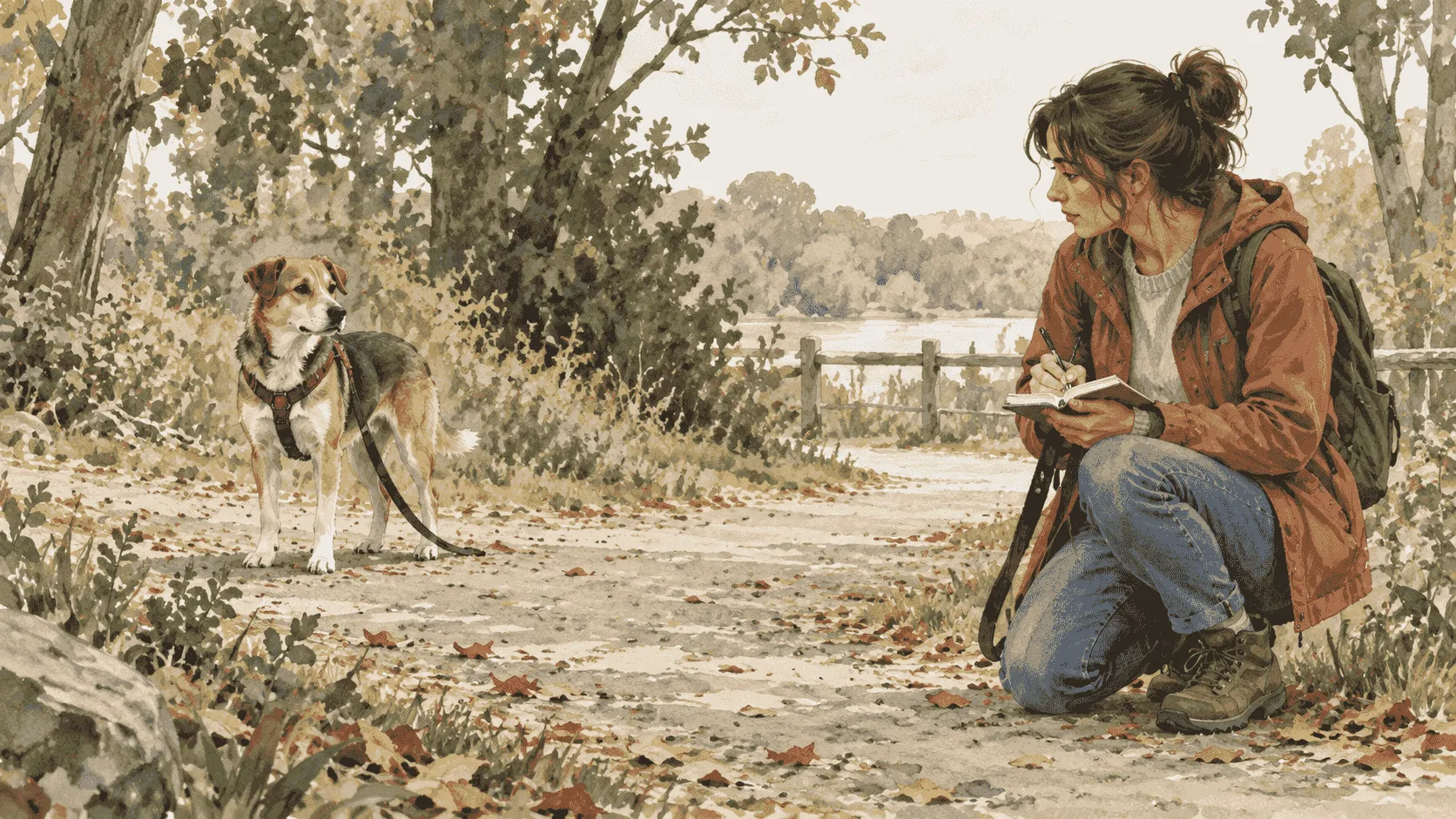
Make a Five-Line Exposure Note
If a call becomes necessary, a short factual record is more useful than a confident theory. Write down:
- what you saw: rolling, touching, licking, mouthing, chewing, or possible swallowing;
- what the material appeared to be, or that its identity is unknown;
- where it happened and the best estimate of when;
- whether any tissue or material appeared to be missing; and
- what is different about the dog now, if anything.
Do not delay a veterinary call while trying to identify an animal perfectly. A photograph taken from a safe distance may help, but do not handle a carcass or put yourself near the dog’s mouth to collect evidence. Keep the uncertainty visible instead of filling it with a guess.
When a Veterinarian Should Guide the Next Step
Contact your veterinarian when eating or significant mouthing is possible, when the material or timing is uncertain, or when the dog becomes unwell after the event. If the dog is suddenly or seriously unwell, use the urgent veterinary route rather than waiting for a behavior explanation.
Do not induce vomiting, give medication, or choose a home remedy from an online list. Do not rely on washing, brushing, or a fixed wait time to clear a possible ingestion. The right next step depends on the individual dog and the exposure details that a veterinary professional can assess.
The roll may remain unexplained, and that is acceptable. Your job is not to prove why the dog found the carcass interesting. It is to stop another chance to eat, separate what you observed from what you do not know, and make the professional call when ingestion or a change in health is possible.
Sources
Petzette's claim cards for this article point to the following scientific, veterinary, or animal-welfare sources.
- VCA Guidance on Dogs Rolling in Gross Things Outdoors: Current veterinary-hospital behavior guidance
- Dead-Animal Access: Dog Exposure Prevention and Veterinary Boundary: Veterinary guidance and established animal-welfare/public-health guidance