Health SignalsUpdated 02 September 2026
Dog Grooming: Build a Calm, Coat-Specific Routine
Choose dog grooming clippers or scissors by coat, task, and comfort—not a universal “best” list, with clear handoffs to a groomer or veterinarian.
TextPetzette Editorial
Read5 Min

Evidence status
Source-backed editorial
- Evidence record
- 5 claim cards linked to 5 documented sources.
- Independent expert review
- Not commissioned. Petzette Editorial is responsible for the published wording.
- Source record checked
- 11 August 2026
- Scope
- General information, not an individual diagnosis or treatment plan.
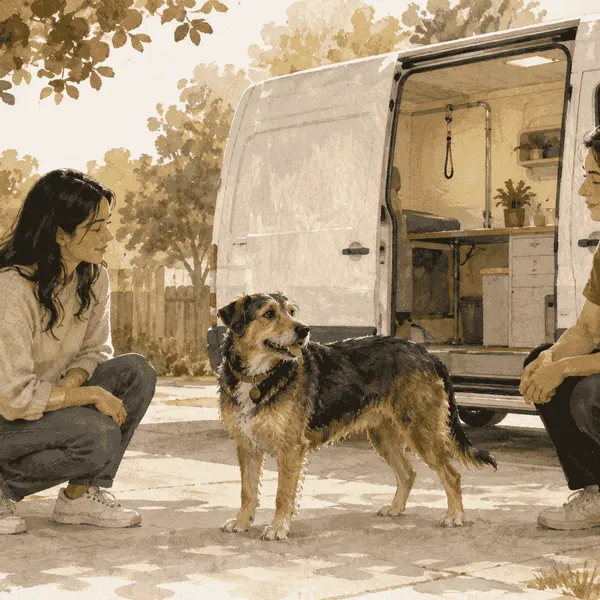
Dog grooming clippers can look like the obvious answer when a new dog’s coat grows out. But the safer choice starts with the coat, the task, and the dog’s comfort. Dog grooming scissors are not a universal backup, and “best dog grooming clippers” is not a question the evidence answers with a product ranking. A useful tool choice is narrower: match the coat to a defined task, keep the session small, and hand difficult work to a reputable groomer or veterinarian.
Start With the Coat, Not a “Best” Label
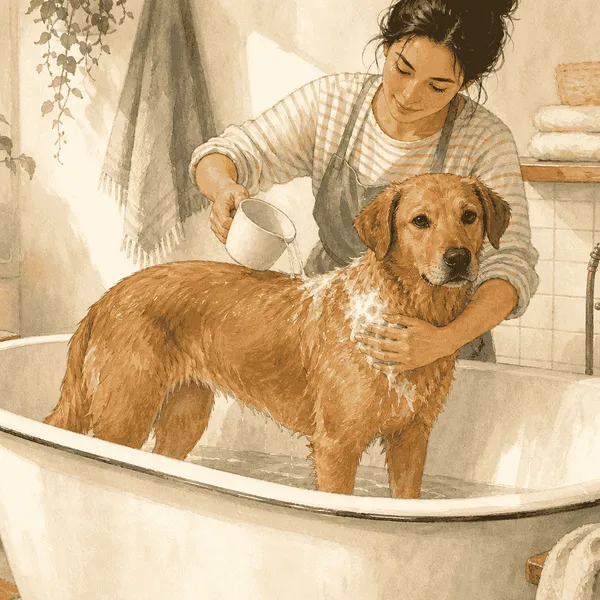
PDSA veterinary-welfare guidance says grooming needs vary with coat length and texture. Its broad examples range from daily brushing for many long-haired dogs to a few times weekly for medium coats and about weekly for many short coats. Those are starting points, not a universal calendar.
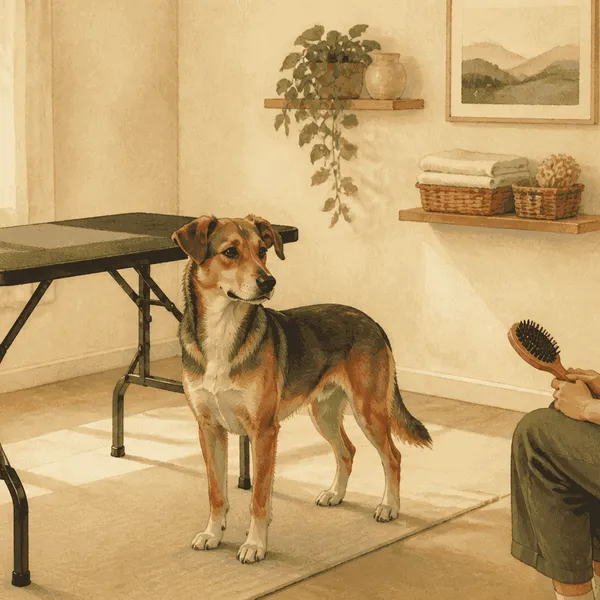
Density, curl, seasonal shedding, outdoor life, age, and the individual dog can all change what is practical. A short coat is not a reason to ignore grooming, and a long coat is not permission to force through a difficult session. If the coat is unfamiliar or you cannot tell which tool fits it, ask a reputable groomer or your veterinarian before experimenting. The calm dog grooming table setup guide covers the related question of where a small care task can happen safely; this page focuses on the tool and the coat.
Dog Grooming Clippers or Scissors? Name the Task First
Brushing, bathing, nail care, and coat clipping are different jobs. A tool that seems useful for one does not automatically make the others easier. Before choosing between dog grooming clippers and dog grooming scissors, write down the smallest task you actually mean to do.
- For ordinary maintenance, match the coat. PDSA advises suitable tools, but the evidence does not establish one blade, shear, or product specification as a universal fit. A clipper may belong in consideration only for a defined, coat-appropriate home task that you can stop safely while the dog remains comfortable.
- Do not treat a professional label as evidence of fit. “Professional dog grooming clippers” describes marketing or intended use, not a promise that the tool fits your dog, your experience, or today’s coat. If you need help deciding, ask a reputable groomer rather than buying toward a ranking.
- Keep scissors away from tight mats. PDSA advises against tackling mats at home. Do not turn scissors into a close-to-the-skin rescue tool; move difficult matting to a reputable groomer or veterinarian.
The practical comparison is therefore about fit and boundaries, not which tool wins. If you cannot name a small, ordinary task or a calm stopping point, pause the purchase and solve that uncertainty first.
Make Tool Handling Smaller Than the Groom
Dogs Trust handling guidance recommends a short, predictable sequence: begin with an area the dog already accepts, touch briefly, take the hand away, and then reward. VCA veterinary behavior guidance makes the same point for nail-care fear: start with tiny steps, keep sessions short, and increase difficulty only while the dog is comfortable.
For a new tool, let your dog see or investigate it without being cornered. If the body stays relaxed, try one brief touch on an already comfortable area, remove the hand, reward, and stop. A calm pause may be the whole session. Stiffening, paw withdrawal, turning away, or trying to leave is information to respect, not a cue to hold the dog still until the job is finished.
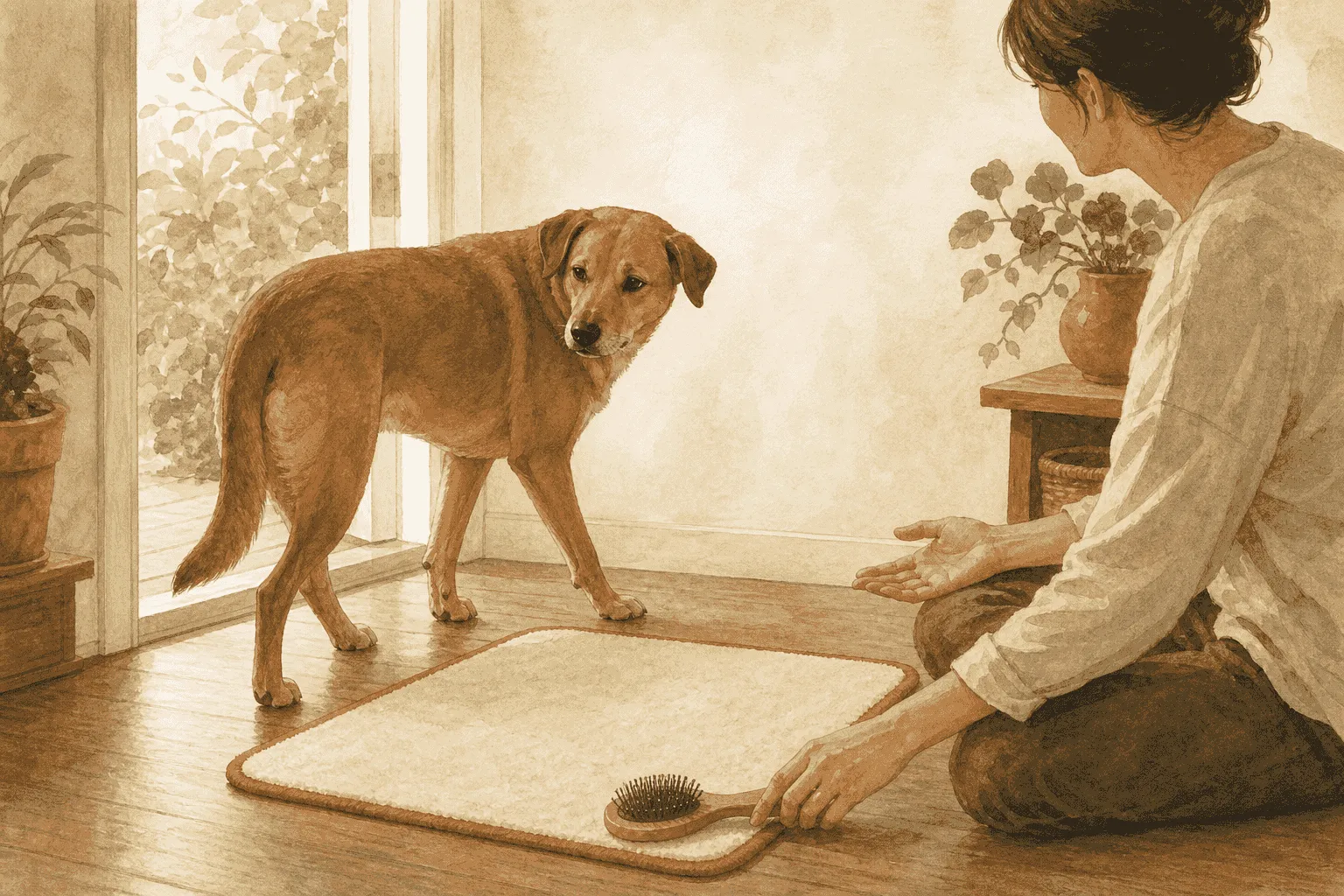
This is cooperative handling practice, not a cutting technique. The dog whisker evidence guide explains why facial handling deserves its own conservative boundary.
What “Best Dog Grooming Clippers” Should Mean
For a first-year owner, “best” is a fit check:
- Does the tool suit this coat’s length, texture, and density?
- Is today’s job ordinary maintenance rather than a mat, skin, ear, or face problem?
- Can the dog approach, pause, and move away without being trapped?
- Do you know the point at which a groomer or veterinarian should take over?
That last question matters more than a feature list. A tool should not be used to work around a sudden coat change, pain, or a dog whose fear is escalating. PDSA advises stopping when a pet becomes worried or stressed and seeking veterinary advice for skin or coat changes, or ears that become itchy, smelly, or unusually waxy.
Protect Mats, Whiskers, and Health Boundaries
For appearance-only facial grooming, ask for your dog’s whiskers to be left intact. A 2025 study in Scientific Reports combined tissue analysis from six dog cadavers with 17 owner-recorded videos from 11 dogs. It described specialized, densely innervated vibrissal structures and observed responses such as reflex blinking after contact. The authors concluded that canine vibrissae are a functional sensory organ and should not be shaved for cosmetic reasons.
The study did not measure the outcome of routine trims across a broad pet-dog population, so it cannot decide an individual face-care question. If the eyes, skin, facial coat, or handling have changed, ask a veterinarian or qualified groomer about that individual job instead of cutting around it at home. Grooming can help you notice change; it cannot diagnose the cause.
A Five-Question Tool-Choice Check
Before the next session, ask:
- What is the smallest task, and does it match this coat?
- Is a clipper or scissors genuinely needed, or is a brush or professional appointment the better next step?
- Can my dog leave rather than being held in place?
- What body change will tell me to pause?
- Which concern belongs with a groomer or veterinarian?
Good dog grooming is not measured by how much you finish in one sitting. It is a repeatable routine shaped around the coat, the dog’s comfort, and a clear line between home maintenance and professional care.
Sources
Petzette's claim cards for this article point to the following scientific, veterinary, or animal-welfare sources.
- PDSA Pet Grooming Guidance: Veterinary charity practical-care guidance
- VCA Nail Trim Stress Reduction: Veterinary hospital behavior guidance
- AVSAB Humane Dog Training 2021: Veterinary behavior society position statement
- Dogs Trust Gradual Handling Guidance: Animal-welfare cooperative handling guidance
- The Canine Vibrissal System As A Highly Innervated And Functional Sensory Organ: Peer-reviewed observational, anatomical, and histological study
Döring D, Müller HE, Franzmeier S, Matiasek K, Blutke A, Reese S. *The canine vibrissal system as a highly innervated and functional sensory organ.* Scientific Reports. 2025;15:9212. doi:10.1038/s41598-025-91629-1.